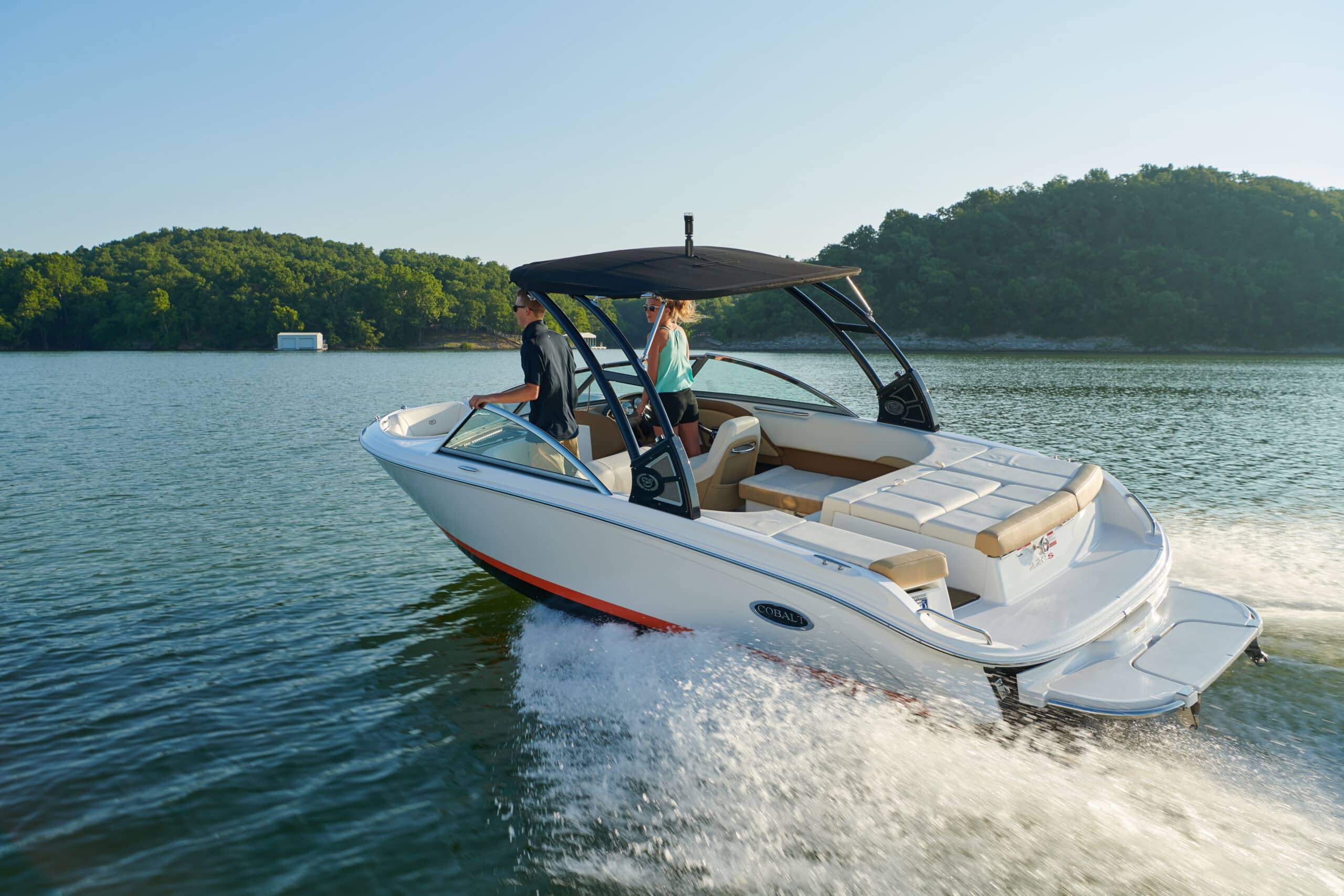
Make sure you’re prepared for any situation when your boat is covered by insurance. Learn about how insurance varies based on boat and usage here.
Most boat owners don’t think much about boat insurance until they actually need it.
Maybe it’s the first summer storm that sends everyone scrambling back to the dock. Maybe it’s spotting damage on the boat lift after a windy weekend. Or maybe it’s hearing how expensive even a minor accident on the water can become.
The reality is that boating comes with risks. And depending on where and how you boat, those risks can look very different.
A family cruising a Barletta pontoon across a calm Michigan lake has very different insurance needs than someone running a Tidewater center console offshore in Florida. A MasterCraft surf boat packed with ballast, electronics, and riders creates different liability concerns than a luxury Cobalt used primarily for entertaining and day cruising.
That’s why there’s no such thing as a “one-size-fits-all” boat insurance policy.
The challenge is that most insurance information is either overly complicated or too vague to actually help boat owners understand what they’re paying for. Terms like liability, agreed value, uninsured boater coverage, and hurricane deductibles can start to sound like a different language entirely.
But boat insurance is actually pretty straightforward once you break it down.
In this guide, we’ll explain what boat insurance typically covers, what it usually doesn’t, and why having the right protection matters. We’ll also look at the biggest differences between insuring boats in Michigan versus Florida, along with considerations for popular boat types including Barletta pontoons, MasterCraft wake boats, Cobalt bowriders, and Tidewater center consoles.
Why Boat Insurance Matters
Unlike auto insurance, boat insurance is not legally required in every state. However, that doesn’t mean you should skip it.
Boats are significant investments, and accidents on the water can become expensive very quickly. Even a small incident, like hitting a dock, damaging another boat, or experiencing storm damage can all lead to thousands of dollars in repairs.
Boat insurance helps protect you financially from unexpected situations like:
- Accidents and collisions
- Storm or weather damage
- Theft and vandalism
- Fire
- Injuries to passengers
- Damage caused to other boats or property
- Towing and emergency assistance
Many marinas and lenders also require proof of insurance before allowing docking, storage, or financing. Simply put, insurance gives you peace of mind so you can enjoy your time on the water without constantly worrying about “what if.”
What Does Boat Insurance Typically Cover?
Coverage can vary depending on the insurance company and policy, but most boat insurance plans include several core protections.
1. Physical Damage Coverage
This helps pay for repairs or replacement if your boat is damaged. Covered situations may include:
- Collisions with another boat or dock
- Storm damage
- Fire
- Sinking
- Theft
- Vandalism
For example, if a summer storm damages your Barletta pontoon while it’s docked, physical damage coverage could help pay for repairs.
2. Liability Coverage
Liability coverage is one of the most important parts of your policy.
This helps protect you if:
- You injure someone while operating your boat
- You damage another person’s boat
- You damage a dock, seawall, or marina property
Medical bills and legal costs can add up quickly after an accident. Liability coverage helps shield you from those expenses.
3. Medical Payments Coverage
This helps cover medical expenses for you and your passengers after a boating accident, regardless of who was at fault.
This may include:
- Emergency room visits
- Ambulance transportation
- X-rays
- Minor medical treatments
Even a relatively small incident on the water can lead to injuries, especially during water sports activities.
4. Uninsured or Underinsured Boater Coverage
Not every boater carries insurance, and some carry very little. If another boater causes an accident and doesn’t have adequate coverage, this part of your policy can help cover your injuries or damages. Think of it similarly to uninsured motorist coverage on your car insurance policy.
What Boat Insurance Usually Does NOT Cover
It’s equally important to understand what insurance may exclude.
Most policies do not cover:
- Normal wear and tear
- Mold or mildew
- Mechanical breakdown due to lack of maintenance
- Damage caused by improper storage
- Manufacturer defects
- Illegal operation or boating under the influence
Insurance is designed for sudden and unexpected incidents, not neglect or routine maintenance issues. That’s why regular service and winterization remain extremely important for protecting your investment.
Michigan Boaters: What You Should Know
Boating in Michigan comes with unique considerations.
With thousands of inland lakes and access to the Great Lakes, Michigan boaters experience a shorter but incredibly busy boating season. Many owners store their boats during winter months, which impacts insurance needs.
Seasonal Storage Risks
One of the biggest risks in Michigan isn’t always on the water, it’s winter storage. Improper winterization can lead to:
- Cracked engine blocks
- Frozen plumbing systems
- Battery issues
- Moisture damage
Some insurance policies may reduce coverage if winterization wasn’t completed properly, so it’s important to work with a trusted service department before offseason storage.
Storm Damage on Inland Lakes
Summer storms can appear quickly in Michigan. High winds, hail, and rough water can cause:
- Dock collisions
- Torn covers
- Hull damage
- Fallen tree damage during storage
Many owners assume homeowners insurance will cover their boat in these situations, but that coverage is often limited.
Florida Boaters: Different Water, Different Risks
Florida boating presents a completely different insurance environment.
Unlike Michigan’s shorter season, Florida boaters often use their boats year-round. Saltwater use, hurricanes, and offshore boating all create additional considerations.
Hurricane and Storm Coverage
One of the biggest differences in Florida is hurricane risk. Storm-related claims can involve:
- Flooding
- Boats breaking loose from docks
- Wind damage
- Total losses from storm surge
- Some insurance companies have:
- Separate hurricane deductibles
- Special storage requirements during named storms
- Geographic restrictions during hurricane season
Florida boaters should review these details carefully before choosing a policy.
Saltwater Use
Saltwater environments are tougher on boats than freshwater. Corrosion can impact:
- Engines
- Electrical systems
- Trailers
- Metal hardware
Insurance companies may ask whether your boat is used in freshwater, saltwater, or both because usage can affect rates and long-term risk.
Insurance Considerations by Boat Type
Different boats create different risks, which impacts insurance pricing and coverage recommendations.
Pontoon Boats
Pontoon boats are generally:
- Easier to operate
- Lower risk
- Family-oriented
This can sometimes lead to lower insurance rates. However, luxury pontoons with large engines and premium features may cost more to insure due to replacement value.
Wake Boats
Wake boats often carry higher premiums because:
- They’re more expensive
- They tow riders
- They use ballast systems
- They’re driven harder for water sports
Insurance companies may also ask: Who will drive the boat?
- Driver experience
- Whether teenagers operate the boat
Bowriders
Bowriders like Cobalt models are often used for:
- Cruising
- Casual Water sports
- Entertaining
Their versatility makes them popular, but it’s important to ensure coverage reflects how the boat is actually used.
Center Consoles
Center consoles such as Tidewater models are often used:
- In saltwater
- Offshore
- For fishing
Because of this, insurers may evaluate:
- Navigation range
- Fishing equipment
- Electronics
- Saltwater exposure
How Much Boat Insurance Costs
Insurance pricing varies based on several factors, including:
- Boat value
- Horsepower
- Boat type
- Location
- Driver experience
- Storage method
- Usage
Generally, many boat owners spend somewhere between 1% and 5% of the boat’s value annually on insurance.
For example:
- Smaller pontoons may cost less to insure
- Large wake boats with high horsepower may cost more
- Offshore center consoles may carry additional premiums
The best approach is to compare multiple quotes and work with an agent familiar with marine insurance.
Tips for Choosing the Right Coverage
Understand Your Actual Usage
How you use your boat matters.
Ask yourself:
- Do you surf or tow riders often?
- Do you boat offshore?
- Is the boat stored on a lift, trailer, or marina slip?
- Will multiple drivers use the boat?
The more accurately your policy reflects reality, the better protected you’ll be.
Don’t Automatically Choose the Cheapest Policy
Low-cost policies may leave important gaps in coverage.
Pay attention to:
- Deductibles
- Agreed value vs. actual cash value
- Navigation limits
- Hurricane restrictions
- Accessory coverage
Saving a little upfront may cost far more after an accident.
Work With a Marine Insurance Specialist
Marine insurance is different from auto insurance. A knowledgeable marine insurance provider can help explain:
- Coverage limits
- Watercraft-specific exclusions
- Seasonal considerations
- Water sports liability
- Storage requirements
All About Boat Insurance
Boat insurance is about more than checking a box, it’s about protecting your investment, your passengers, and your peace of mind.
Whether you own a luxury Barletta pontoon on an inland lake, a MasterCraft surf boat for weekends on the water, a premium Cobalt bowrider for family cruising, or a Tidewater center console for adventures, the right insurance policy helps ensure you can enjoy boating confidently.
Every boat owner’s needs are different, which is why understanding your coverage is so important. Taking the time to review your options now can save you from major stress and unexpected expenses later.
At the end of the day, boating should be fun. Having the right insurance helps keep it that way.