
Purchasing a used boat is a great option to enjoy time on the water. Check out this guide to learn what to watch out for when buying a used boat.
Buying a used boat can be one of the best ways to get out on the water at a lower cost. Many boats on the market today have been well cared for and still have years of reliable use ahead of them. However, purchasing a used boat requires a little more diligence than buying new. Not everything is immediately visible, and the difference between a great deal and a costly mistake often comes down to knowing what to look for.
From evaluating the hull and engine to identifying hidden maintenance concerns, taking the time to inspect a boat carefully can help ensure you find the right boat for your lifestyle and avoid unexpected surprises after purchase.
This guide walks through the key things every buyer should consider when shopping for a used boat.
Start With Your Boating Goals
Before evaluating a specific boat, the first step is understanding what you actually want from your time on the water. Boats are designed with different purposes in mind, and making sure the boat aligns with your lifestyle will make ownership far more enjoyable.
Ask yourself a few important questions:
- What activities will you primarily use the boat for? (water sports, cruising, fishing, entertaining)
- How many people will typically be on board?
- What type of waterway will you be boating on?
- Do you need specific features like surf systems, fishing layouts, or large lounging areas?
For example, a family focused on wake surfing or wakeboarding will want a very different boat than someone planning to fish offshore or cruise with friends. Looking closely at the layout, seating configuration, storage space, and intended use of the boat will help ensure you’re getting something that fits your lifestyle rather than trying to force a boat into a role it wasn’t designed for.
Buying From a Private Seller vs. a Trusted Dealer
Where you purchase your used boat can be just as important as the boat itself. While both private sellers and dealerships offer used boats, the experience, and the level of transparency, can be very different.
Private sellers are often motivated to sell quickly, and in some cases may not fully disclose every issue the boat has experienced. That doesn’t mean every private seller is dishonest, but it does mean the responsibility falls almost entirely on the buyer to identify potential problems. Maintenance records may be incomplete, and once the transaction is finished, there is typically little recourse if issues arise.
A reputable dealership, on the other hand, has its reputation tied directly to every boat it sells. Trusted dealers generally inspect used boats before listing them, address service items, and are transparent about the condition of the boat. Because dealerships work with customers long after the sale for service, parts, and future purchases, maintaining trust is essential.
Another advantage of working with a dealership is guidance. Experienced sales teams can help ensure you’re choosing a boat that truly fits your needs, rather than simply purchasing whatever happens to be available at the moment.
While buying from a private seller can sometimes offer a lower upfront price, purchasing from a trusted dealer often provides greater peace of mind, better support, and a clearer understanding of exactly what you’re getting.
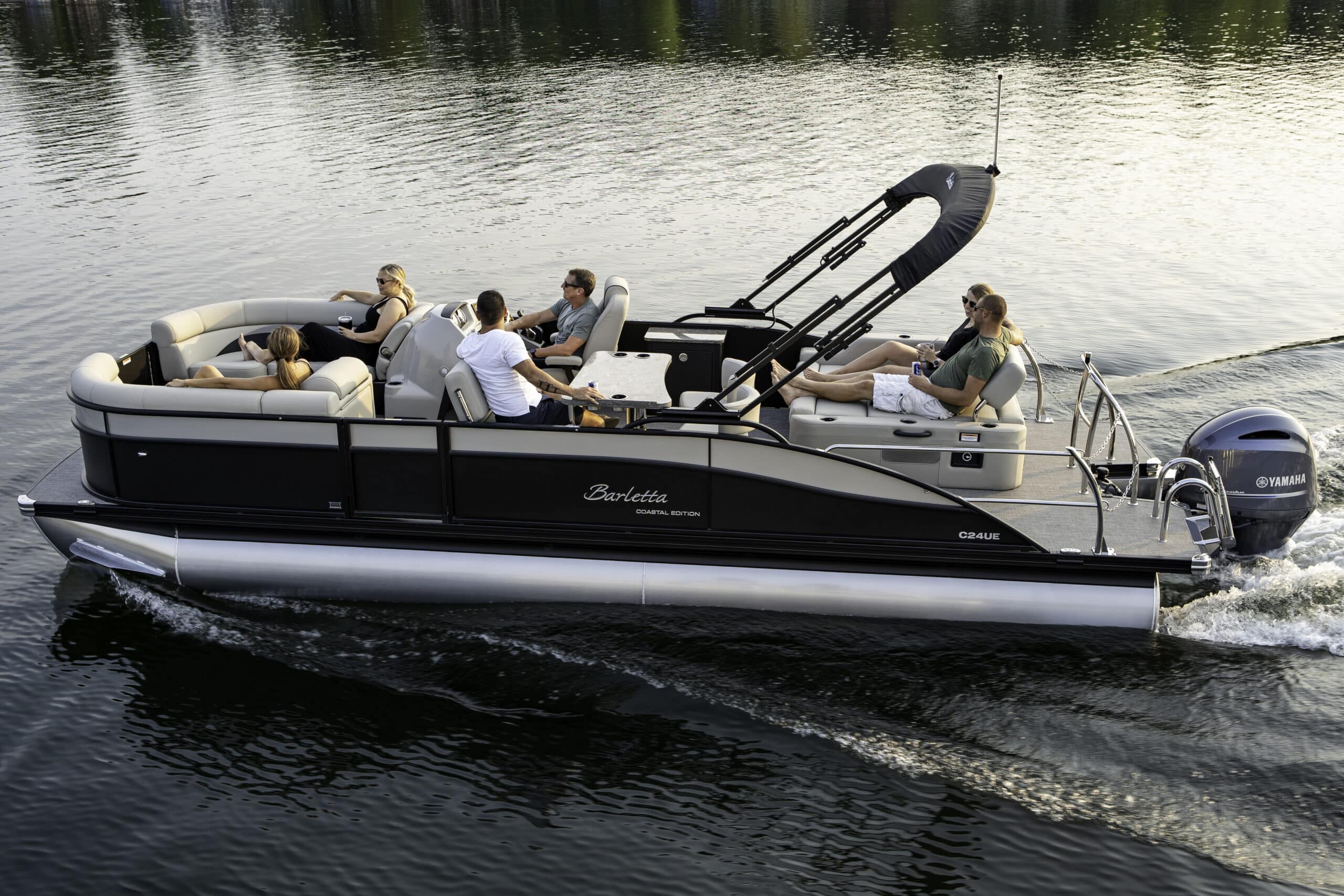
The Hull
The hull is the structural foundation of the boat. While cosmetic scratches are more common on used boats and often harmless, structural issues can be far more serious.
Start with a visual inspection of the entire hull.
Look for:
- Cracks in the gelcoat
- Spider cracks radiating from impact points
- Deep gouges or repairs
- Areas where the gelcoat appears uneven or mismatched
Hairline spider cracks around hardware can sometimes be cosmetic, but cracks near structural areas like strakes, transoms, or lifting points may indicate previous damage.
Next, gently press on suspicious areas. A solid hull should feel firm. If the surface flexes, feels soft, or makes a crunching sound, it may indicate water intrusion or structural weakening beneath the fiberglass.
Also check the keel, the lowest point of the hull, for signs of heavy impact. Boats that have run aground or struck submerged objects may show deeper wear or repair marks here.
If you’re unsure about hull integrity, a professional marine survey can provide a more thorough evaluation.
Transom Strength
The transom is the rear structural wall of the boat where the engine or drive system is mounted. Because it supports significant weight and torque, it must remain structurally sound.
Signs of a weak or compromised transom include:
- Stress cracks around the engine mounts
- Water stains or moisture around mounting hardware
- Softness when pressing on the area
- Movement when the engine is tilted
On outboard boats, look closely at the mounting bolts and surrounding fiberglass. On inboard towboats, check the surrounding fiberglass and mounting points for stress cracks or signs of repair.
A damaged transom can be expensive to repair, so it’s important to evaluate this area carefully.
Engine and Mechanical Systems
The engine is one of the most expensive components of a boat, making its condition a critical part of the buying process.
Start by asking about:
- Engine hours
- Service history
- Winterization records
- Recent maintenance
Lower engine hours are generally desirable, but they are not the only indicator of engine health. A well-maintained engine with higher hours may be a better investment than a poorly maintained engine with fewer hours.
When inspecting the engine, look for:
- Oil leaks
- Corrosion
- Loose belts or hoses
- Dirty or neglected components
Check the engine oil as well. Milky or cloudy oil may indicate water intrusion, which could signal a more serious problem.
If possible, start the engine and listen carefully. It should start smoothly, idle consistently, and run without excessive vibration or knocking sounds.
Look Beyond the Obvious Maintenance
Some maintenance issues are easy to spot, while others can remain hidden until they become costly problems. When evaluating a used boat, pay close attention to areas that may not be immediately visible.
Wiring and Electrical Systems
Electrical systems are often overlooked but can become complicated if poorly maintained.
Look for:
- Messy or spliced wiring
- Corrosion on terminals
- Non-marine grade connectors
- Exposed wires
Clean, organized wiring usually indicates a boat that has been cared for properly.
Bilge and Pumps
Open the engine compartment and inspect the bilge, the lowest interior part of the boat where water collects. The bilge should be relatively clean and dry. Excess oil, standing water, or debris may indicate neglect.
Also check that:
- The bilge pump activates properly
- Float switches move freely
- Drain plugs and fittings are secure
These systems are essential for keeping the boat safe on the water.
Upholstery and Interior Components
Interior wear can reveal a lot about how a boat was treated.
Look for:
- Cracked or brittle vinyl
- Loose seat bases
- Mold or mildew odors
- Water stains in storage compartments
Sun damage is common on older boats, but severe deterioration may require costly reupholstery.
Inspect the Propeller and Running Gear
For boats with inboard or sterndrive systems, the running gear beneath the boat deserves close inspection.
Look at the propeller for:
- Bent blades
- Deep nicks
- Uneven edges
Damage here can affect performance and may also indicate the boat has struck objects underwater.
Also inspect:
- The prop shaft
- Rudder components
- Struts and mounts
Everything should appear straight and secure without visible vibration damage.
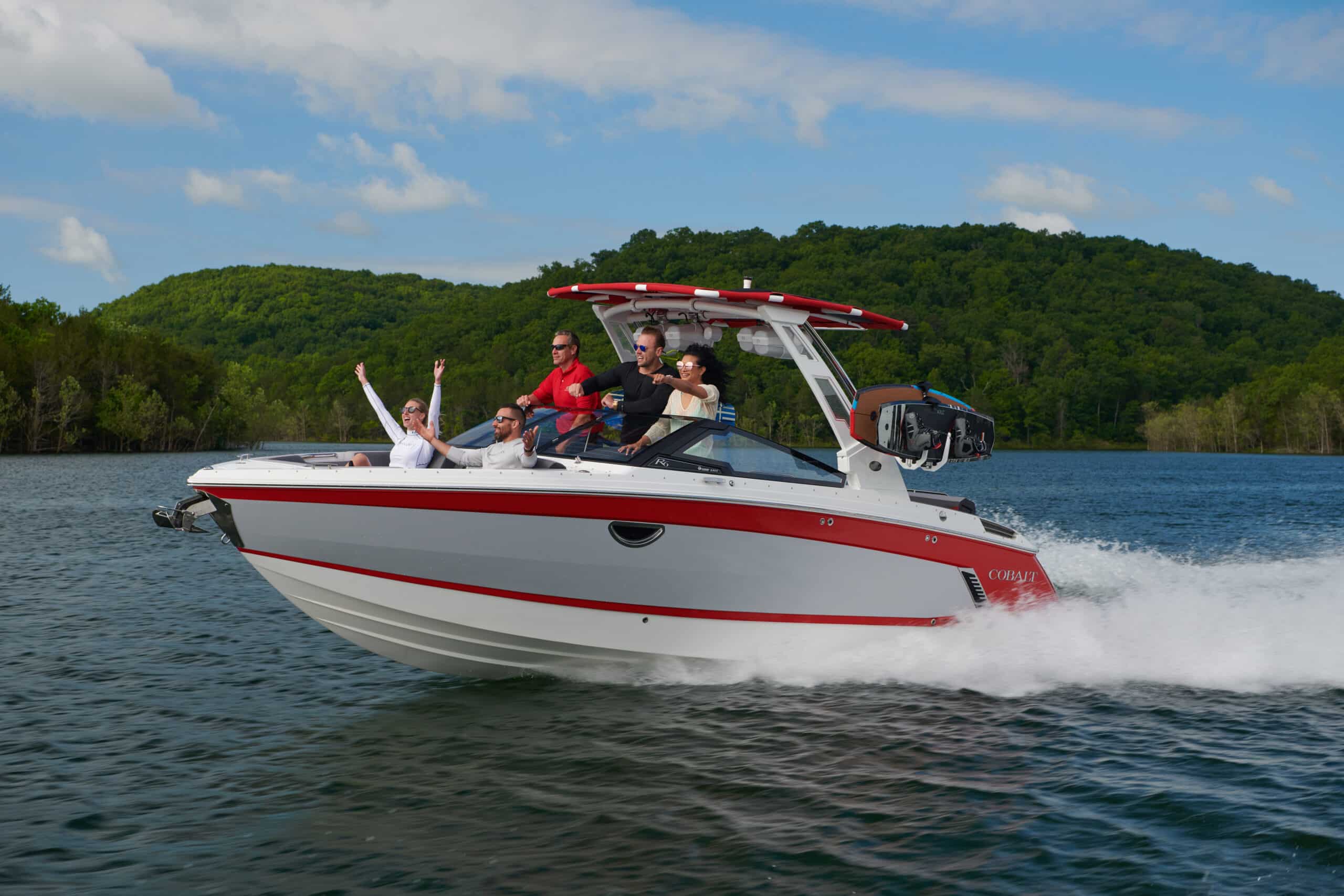
Review the Boat’s Service Records
A well-documented service history can be one of the best indicators of a boat’s condition.
Ask the seller for records that show:
- Routine oil changes
- Impeller replacements
- Winterization and de-winterization
- Battery replacements
- Major repairs
Consistent maintenance typically indicates a responsible owner who invested in keeping the boat in good shape. If service records are unavailable, it doesn’t necessarily mean the boat is problematic, but it does make a thorough inspection even more important.
Take the Boat for a Water Test
Whenever possible, conduct a water test before finalizing a purchase. This allows you to evaluate how the boat performs in real conditions.
During the test drive, pay attention to:
- How quickly the boat starts
- Acceleration and throttle response
- Steering smoothness
- Unusual vibrations
- Dashboard gauges and electronics
The boat should feel stable and responsive. If anything feels inconsistent or unusual, it’s worth investigating further before moving forward.
Make Sure the Boat Fits Your Long-Term Plans
Beyond the physical condition of the boat, it’s important to consider how well it fits your long-term boating goals.
Ask yourself:
- Will this boat still meet my needs in a few years?
- Does it have enough seating and storage?
- Is it designed for the activities I enjoy most?
A boat that fits your lifestyle today and into the future will provide far more value than one that feels limiting after a single season.
Buy From a Trusted Dealer When Possible
While private sales can sometimes offer lower prices, buying a used boat from a reputable dealership often provides additional peace of mind.
Dealerships typically:
- Inspect and service boats before listing them
- Verify condition and functionality
- Offer guidance on the right model for your needs
- Provide continued support after purchase
This can help remove some of the uncertainty that comes with purchasing a used boat.
Is a Used Boat Right for Me?
Buying a used boat can be an exciting step toward enjoying more time on the water, but it’s important to approach the process with careful attention to detail. Inspecting the hull, evaluating mechanical systems, reviewing maintenance history, and understanding how the boat fits your lifestyle are all essential parts of making a confident purchase.
By taking the time to evaluate these factors and seeking professional guidance when needed, you can find a used boat that delivers years of reliable performance and unforgettable memories on the water. After all, the goal of boat ownership isn’t just getting on the water, it’s staying out there.